

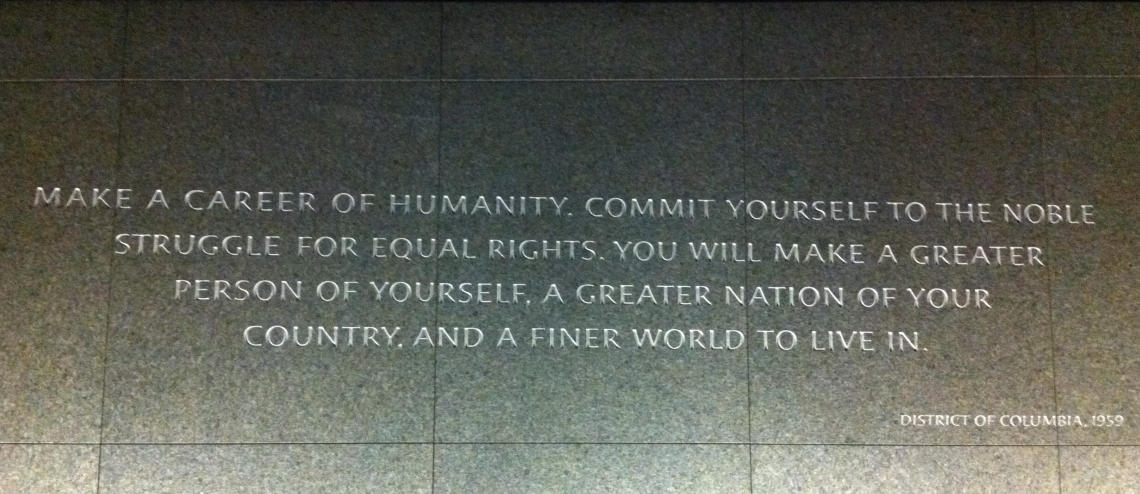
Yesterday I woke up late and well-rested. Sunlight filled my room, as if the rays of light had separated from the Sun with the exact purpose of warming me as I drank my morning coffee. King Street was peaceful, and crisp air filtered through my open window.
However, I learned that the residents of my old neighborhood in Mobile, Alabama, had a much less relaxing morning this Martin Luther King, Jr. Day. Individuals affiliated with a North Carolina-based chapter of the KKK dispersed pamphlets on many lawns in Midtown, which is a diverse neighborhood. Many families with young children live there. I lived there until third grade.
The original article by a local news station featured many comments from neighbors that they were upset and confused by the messages, which call for white residents to join the Loyal White Knights in response to the NAACP and other organizations designed primarily for minority groups.
Mobile is a city of traditions with an avid appreciation for the past. In many ways, our traditions are a source of pride: Mobile has an impressive maritime history, many famous authors and important figures claim Mobile as a home, and local civic leaders quietly removed the Confederate flag from its seal this past year in response to national discourse about the symbol.
In many ways, the KKK pamphlets are surprising, but considering some of the state leadership’s choices may lessen the shock.
The state calendar designates that the third Monday of January, which is the traditional day for celebrating MLK Day, is a state holiday for 30,000+ state employees. Martin Luther King, Jr., who lived in Alabama for the majority of his adult life and helped to organize pivotal Civil Rights Movement events within the state, shares the holiday with Robert E. Lee, the Virginia general who led the Confederate Army.
Robert E. Lee is in many ways an admirable man; I understand that many people in my state believe that he, too, deserves recognition for his loyalty, dedication, and accomplishments both while serving the United States and the Southern states that seceded.
Yet, knowing the history of Alabama and the Confederacy, knowing Alabama’s long fight against ensuring equal rights that in many ways continues today, I can’t help but find this shared holiday to be contrary to a true celebration of either man. I find it to be a spiteful refusal of equality that is inherently mired in the past.
Can Alabama represent a pursuit of equality and progress if our state holiday calendar demonstrates intentional divisions?

In post-script, maybe this sharing of celebration is an example of the contradictory, complex history of Mobile and the South. History has periods of injustice and unfairness for many groups of people in the South, and allowing a discourse to emerge around the men and women we hold as important and influential may be an important, indelible part of healing. Just maybe on separate days.
 Echo Foxtrot
Leave a comment